
In today’s fast-paced world, many people are turning to alternative therapies to manage pain and improve overall health. Medical massage therapy, in particular, has garnered significant attention due to its evidence-based benefits. But what exactly is medical massage, and how does it work? In this article, we’ll delve into the scientific principles behind medical massage and explore the research supporting its efficacy.
What is Medical Massage Therapy?
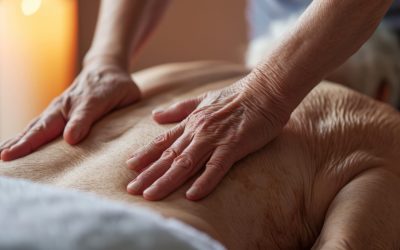
Medical massage therapy is a specialized form of massage that focuses on treating specific health conditions diagnosed by a healthcare professional. Unlike general relaxation massages, medical massage aims to address underlying medical issues such as chronic pain, muscle injuries, and neurological conditions. It involves a combination of techniques tailored to the individual’s needs, often integrating aspects of physical therapy, chiropractic care, and traditional massage.
The Biological Mechanisms of Medical Massage
1. Improved Circulation and Oxygenation
One of the primary mechanisms by which medical massage benefits the body is through enhanced circulation. The manual manipulation of muscles and tissues increases blood flow, which in turn delivers more oxygen and nutrients to the affected areas. This boost in circulation helps to speed up the healing process and reduce inflammation.
Scientific Insight: A study found that massage therapy significantly increased blood flow in the treated areas, promoting faster recovery and reduced muscle soreness (1).
2. Reduction of Muscle Tension and Pain
Medical massage helps to alleviate muscle tension by breaking down adhesions and scar tissue. This process, known as myofascial release, involves applying sustained pressure to the fascial tissues, which surround and support muscles. By releasing these adhesions, medical massage can restore normal muscle function and reduce pain.
Scientific Insight: Research from the Journal of Bodywork and Movement Therapies showed that myofascial release effectively reduced chronic lower back pain in patients, highlighting its potential as a non-invasive pain management strategy (2).
3. Activation of the Parasympathetic Nervous System
Medical massage also plays a crucial role in activating the parasympathetic nervous system, which is responsible for the body’s rest and digest functions. This activation promotes relaxation, reduces stress hormones, and enhances overall well-being.
Scientific Insight: A study in the International Journal of Neuroscience demonstrated that massage therapy significantly decreased cortisol levels (a stress hormone) while increasing serotonin and dopamine levels, contributing to a sense of calm and happiness (3).
Research Supporting Medical Massage
1. Chronic Pain Management
Chronic pain affects millions of people worldwide, often leading to a reduced quality of life. Medical massage has been shown to be an effective treatment for various chronic pain conditions, including fibromyalgia, arthritis, and migraines.
Scientific Insight: The National Institutes of Health conducted a study that found massage therapy to be effective in reducing pain and improving function in patients with chronic low back pain (4).
2. Sports Injury Recovery
Athletes frequently use medical massage to prevent and recover from injuries. The techniques used in medical massage help to reduce muscle soreness, enhance flexibility, and speed up the healing process.
Scientific Insight: According to the American College of Sports Medicine, massage therapy can reduce delayed onset muscle soreness (DOMS) and improve muscle recovery time, making it a valuable tool for athletes (5).
3. Post-Surgical Rehabilitation
Medical massage is increasingly being incorporated into post-surgical rehabilitation programs. It helps to reduce inflammation, minimize scar tissue formation, and improve mobility.
Scientific Insight: A study published in the Journal of Physical Therapy Science found that patients who received medical massage after knee surgery experienced significantly less pain and faster recovery times compared to those who did not receive massage therapy (6).
Integrating Medical Massage into Your Healthcare Routine
Given the substantial evidence supporting the benefits of medical massage, it’s worth considering as part of your overall healthcare routine. Whether you’re dealing with chronic pain, recovering from an injury, or looking to improve your mental well-being, medical massage offers a non-invasive, holistic approach to health.
Choosing the Right Therapist
To maximize the benefits of medical massage, it’s essential to choose a qualified therapist with experience in treating your specific condition. At Marvelous Massage in Murfreesboro, our licensed therapists are trained in various medical massage techniques and work closely with healthcare providers to develop personalized treatment plans.
Regular Sessions for Long-Term Benefits
Consistency is key when it comes to medical massage. Regular sessions can help maintain the improvements achieved through initial treatments, providing ongoing relief and preventing the recurrence of symptoms.
Conclusion
The science behind medical massage therapy is robust, with numerous studies highlighting its effectiveness in treating many conditions. By improving circulation, reducing muscle tension, and activating the parasympathetic nervous system, medical massage offers a powerful tool for enhancing health and well-being. If you’re in Murfreesboro and looking to explore the benefits of medical massage, consider scheduling a session at Marvelous Massage. Your body will thank you.

0 Comments