
Surgery—whether elective, reconstructive, or medically necessary—is a major event for the body. While the procedure itself may address a specific issue, the aftermath can include swelling, inflammation, and discomfort. One of the most effective and often overlooked ways to speed up recovery is lymphatic massage. This gentle yet powerful technique targets the lymphatic system, helping the body reduce swelling, clear out waste, and promote faster healing. In this post, we’ll explore why lymphatic massage is essential for post-surgery recovery, focusing on how it can improve outcomes, ease discomfort, and enhance overall well-being.
Understanding the Lymphatic System
Your lymphatic system is responsible for filtering and removing toxins, waste, and excess fluid from the body. It plays a crucial role in immune function, working alongside your circulatory system to keep tissues healthy and defend against infection. Unlike blood circulation, however, the lymphatic system doesn’t have a built-in pump (like the heart) to move fluids around. Instead, it relies on muscle movement, deep breathing, and external stimulation such as massage.
What Happens After Surgery
After surgery, the body naturally produces inflammatory responses as part of the healing process. You may experience swelling (edema), bruising, and increased sensitivity around the incision sites. In many cases—especially plastic or reconstructive surgeries—post-operative swelling can persist for weeks or even months. This swelling can limit mobility, cause discomfort, and potentially slow down the healing process.
How Lymphatic Massage Helps Post-Surgical Recovery
1. Reduces Swelling and Edema
One of the primary goals of lymphatic massage is to drain excess fluid from the tissues. By applying gentle, rhythmic pressure in the direction of lymph flow, a trained therapist helps move lymphatic fluid into vessels and lymph nodes where it can be filtered and excreted. This process significantly reduces swelling (edema), giving post-surgery patients faster relief and improved comfort.
2. Speeds Up the Healing Process
When fluid accumulates, it can restrict blood flow, slow tissue regeneration, and prolong discomfort. A properly functioning lymphatic system enhances circulation and ensures that more oxygen and nutrients reach the surgical site. This accelerates tissue repair and reduces the risk of complications like infection or poor wound healing.
3. Minimizes Scar Tissue Formation
Swelling and inflammation often contribute to excessive scar tissue and adhesions (bands of fibrous tissue that can limit movement and cause pain). By promoting better fluid drainage and circulation, lymphatic massage can help limit scar tissue formation, leaving more flexible and healthier tissue around the incision sites.
4. Decreases Pain and Discomfort
Post-surgical discomfort is often linked to fluid buildup and inflammation. As lymphatic massage reduces edema and improves tissue health, it can also lower pain levels. Patients frequently report that sessions leave them feeling lighter, more at ease, and better able to move without pain.
5. Supports Immunity
Surgery places stress on the entire body, including the immune system. Since the lymphatic system is closely tied to immune function, improving lymphatic flow can enhance your body’s ability to fight off infections and maintain overall health. This is particularly beneficial during a vulnerable period like post-surgery.
What to Expect in a Lymphatic Massage Session
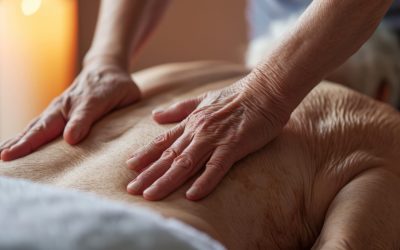
Unlike deep tissue or sports massage, lymphatic drainage is characterized by light, gentle, rhythmic movements. The therapist works with very light pressure, directing fluid toward lymph nodes in areas like the neck, armpits, or groin. This specialized approach is often soothing and relaxing rather than intense, making it well-suited to sensitive or healing tissues.
Timing and Frequency
Many surgeons and health professionals recommend starting lymphatic massage within days or a couple of weeks after surgery, depending on the patient’s condition. Frequency varies—some patients benefit from 2-3 sessions a week initially, then transition to weekly or bi-weekly sessions as swelling decreases. Always consult your surgeon or healthcare provider before beginning massage therapy post-surgery to ensure it aligns with your specific recovery plan.
Choosing a Qualified Therapist
Since post-surgical tissues are delicate and require careful handling, it’s important to choose a licensed, trained professional who specializes in lymphatic drainage. Not all massage therapists offer this specialized service, so do your research. A therapist experienced in post-surgical care will know the correct pressure, pacing, and techniques to safely support healing without risking damage to incisions or delicate tissues.
Take the Next Step Toward a Faster, Healthier Recovery
When it comes to post-surgery recovery, every little advantage counts—from following your doctor’s orders to maintaining a healthy diet and getting enough rest. But don’t overlook the power of lymphatic massage. By reducing swelling, improving circulation, and helping your body clear out excess fluid, it can be the missing piece that helps you feel better sooner and get back to living your life.
Key Takeaways:
- Reduces swelling and edema by promoting fluid drainage.
- Speeds up healing through better circulation and nutrient delivery.
- Minimizes scar tissue and adhesions for a smoother recovery.
- Decreases pain and discomfort, allowing more mobility and comfort.
- Supports immune function, which is vital after any surgical procedure.
If you’re recovering from surgery and looking for a safe, natural way to ease discomfort and accelerate healing, consider lymphatic massage. Your body has been through enough—let trained professionals at Marvelous Massage in Murfreesboro help you bounce back more quickly and comfortably.
Ready to experience the benefits of lymphatic massage for post-surgical recovery?
Call or text us at (615) 631-5119 or visit marvelousmassage4u.com to schedule your session today.
Disclaimer: Always consult your surgeon or healthcare provider before starting any new therapy post-surgery, especially if you have specific medical concerns.


0 Comments