
After months of cold weather and shorter days, spring in Murfreesboro feels like permission to finally be outside again. The trails are calling, the weather is perfect for evening walks, and suddenly you remember all the outdoor activities you love but haven’t done in months.
There’s just one problem: your body spent the winter doing significantly less of that kind of movement. And now, as you try to jump back into hiking, biking, running, or even just longer walks around the neighborhood, you’re feeling it in ways you didn’t expect.
Stiffness. Soreness. That nagging sense that your body isn’t quite keeping up with what your mind wants to do.
This is incredibly common, and it doesn’t mean you’re out of shape or that something is wrong. It simply means your body needs time to adjust to new (or resumed) physical demands. Understanding how to support that transition can make the difference between enjoying spring activities and spending the season sidelined by preventable soreness and strain.
Why Your Body Feels Different After a Sedentary Winter
Even if you stayed relatively active during the winter months, the type of activity you were doing was probably different from what you’re trying to do now. Indoor workouts, gym routines, and even regular walking don’t fully prepare your body for the varied, unpredictable demands of outdoor activities.
Your Muscles Adapt to What You Do Most
Your body is remarkably efficient at adapting to the activities you do regularly. If you spent the winter primarily sitting, doing indoor workouts, or moving on flat, predictable surfaces, that’s what your muscles have optimized for.
Outdoor activities—especially hiking on uneven terrain, biking on variable surfaces, or playing recreational sports—require different muscle activation patterns, different ranges of motion, and different types of balance and coordination.
When you suddenly ask your body to do something it hasn’t done in months, those muscles need time to remember how to work in those specific ways.
Reduced Range of Motion
During periods of less varied movement, your muscles and connective tissues can lose some of their flexibility and range of motion. This doesn’t necessarily mean you’re “tight” in the traditional sense—it means your body has settled into the range it needs for your daily activities and hasn’t been asked to go beyond that in a while.
When you start moving in new ways again, you’re asking joints and muscles to work through ranges they haven’t used recently, and that can feel uncomfortable at first.
Cardiovascular Conditioning Is Specific
You might have been doing cardio all winter, but if it was primarily indoor cycling or treadmill work, your cardiovascular system is conditioned for steady-state effort on flat surfaces. Outdoor activities often involve variable terrain, changes in pace, and different breathing patterns.
Your heart and lungs need time to adapt to these new demands, which is why you might feel more winded than expected even if you’ve been working out regularly.
Common Issues When Resuming Outdoor Activities
The transition from winter to spring activity comes with predictable challenges. Being aware of them can help you plan accordingly.
Muscle Soreness in Unexpected Places
You might be surprised by where you feel sore. Hiking downhill uses different muscles than walking on flat ground. Biking on trails engages stabilizing muscles that indoor cycling doesn’t. Even a long walk on varied terrain can leave muscles sore that you didn’t know you had.
This is delayed onset muscle soreness (DOMS), and it’s a normal response to using muscles in new ways. It typically peaks 24-48 hours after activity and gradually improves over the following days.
Joint Stiffness
Your knees, hips, and ankles might feel stiff or achy after outdoor activities, especially if you’ve been on uneven ground. These joints are working harder to stabilize your body and adjust to changing surfaces, and that increased demand can lead to temporary discomfort.
Lower Energy Than Expected
Even if you consider yourself fit, you might find that outdoor spring activities leave you more tired than you anticipated. Your body is working harder to adapt to new movement patterns, and that adaptation takes energy.
Balance and Coordination Challenges
If you’ve been moving primarily on flat, predictable surfaces, your balance and proprioception (your body’s sense of where it is in space) may need time to readjust to varied terrain. This is normal and will improve with practice.
The Difference Between Good Soreness and Concerning Pain
Some discomfort is a normal part of getting active again. Other types of pain warrant more attention.
Normal post-activity soreness:
- Develops gradually in the hours after activity
- Affects both sides of your body relatively equally
- Improves with gentle movement
- Gets better within a few days
- Feels like general muscle achiness rather than sharp pain
Pain that deserves attention:
- Sharp, shooting, or stabbing sensations
- Pain that gets progressively worse instead of better
- Significant swelling or visible changes to a joint
- Pain that only affects one side of your body
- Difficulty with basic movements or weight-bearing
- Numbness, tingling, or weakness
When in doubt, it’s always better to have concerning pain evaluated by a healthcare provider.
How to Ease Back Into Outdoor Activities Safely
The key to a successful transition is giving your body time to adapt gradually rather than expecting it to do immediately what it could do six months ago.
Start With Shorter Sessions
Instead of planning a four-hour hike as your first spring outing, start with something more manageable—maybe an hour or ninety minutes. You can always extend your time outside as your body adapts.
Reduce Intensity at First
Choose easier trails, slower paces, or less technical routes for your first few outings. You’re not trying to prove anything to anyone; you’re just helping your body remember how to do this kind of movement.
Build in Recovery Time
Don’t schedule outdoor activities on consecutive days at first. Give your body at least one full day between sessions to recover and adapt. As you get back into a rhythm, you can increase frequency.
Listen to Your Body’s Signals
Fatigue, muscle trembling, form breakdown—these are all signs that your body needs a break. Taking rest when you need it prevents the kind of overuse injuries that can sideline you for weeks.
Warm Up Before and Stretch After
Take five to ten minutes before outdoor activities to warm up your muscles with dynamic movement. After you’re done, gentle stretching can help reduce post-activity stiffness.
How Massage Supports Your Transition to Spring Activities
Massage therapy is one of the most effective tools for helping your body adapt to increased activity levels. Here’s why:
Reducing Delayed Onset Muscle Soreness
Massage after physical activity can significantly reduce the severity and duration of DOMS. It helps flush metabolic waste products from your muscles and improves circulation, which speeds up the recovery process.
Improving Flexibility and Range of Motion
Regular massage helps maintain and improve your flexibility, making it easier for your body to handle the varied movement patterns that outdoor activities require.
Identifying Problem Areas Early
A skilled massage therapist can often identify areas of tension or compensation before they become painful problems. Addressing these early can prevent injuries that might otherwise develop over time.
Supporting Recovery Between Activities
Massage helps your body recover more completely between outings, which means you can maintain a more consistent activity schedule without accumulating fatigue and strain.
Addressing Imbalances
If you have muscle imbalances or areas of chronic tightness, massage can help address these issues so they don’t limit your ability to enjoy outdoor activities.
The Best Types of Massage for Active People
Different massage modalities serve different purposes. For people getting back into outdoor activities:
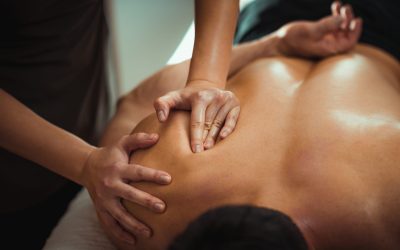
Sports massage is designed specifically for active individuals and focuses on both preparation and recovery. It can help before a big outing or after one.
Deep tissue massage addresses chronic tension patterns and can help release muscles that have been tight throughout the winter.
Therapeutic massage targets specific areas of concern and can address issues like IT band tightness, hip flexor tension, or shoulder stiffness that might be limiting your movement.
Swedish massage provides overall relaxation and stress relief while still improving circulation and supporting muscle recovery.
Other Recovery Strategies That Work
Massage is most effective when combined with other smart recovery practices:
Hydration is critical—dehydrated muscles are more prone to cramping and slower to recover. Drink water before, during, and after outdoor activities.
Adequate sleep is when your body does most of its repair work. Aim for 7-9 hours, especially in the first few weeks of increased activity.
Proper nutrition gives your body the building blocks it needs to repair and strengthen muscle tissue. Focus on adequate protein and a variety of whole foods.
Active recovery on rest days—gentle walking, easy cycling, or light stretching—can help maintain mobility without adding to your training load.
When to Seek Professional Help
While some soreness is normal, certain situations warrant professional evaluation:
- Pain that persists beyond a week
- Significant swelling that doesn’t improve with rest and ice
- Pain that interferes with daily activities
- Recurring injuries in the same location
- Feeling like something “isn’t right” even if you can’t pinpoint specific pain
Making Spring Activities Sustainable
The goal isn’t just to get through this spring—it’s to build a sustainable pattern of outdoor activity that you can maintain long-term.
That means being patient with your body’s adaptation process, building in adequate recovery, and using tools like massage to support your body’s ability to handle the activities you love.
It means recognizing that how you feel at 30, 40, 50, or beyond is different from how you felt at 20, and that’s okay. Your body can still do amazing things; it just needs more support and attention.
Schedule Your Session in Murfreesboro
At Marvelous Massage, located at 141 Veterans Parkway in Murfreesboro, we specialize in helping active people feel their best. Whether you’re getting back into outdoor activities after a sedentary winter or you’re dealing with soreness from already jumping in, we can help.
Our therapists understand the physical demands of hiking, biking, running, and other outdoor activities, and we’ll work with you to create a treatment plan that supports your goals.
Book your appointment online or call us at (615) 631-5119. Let’s make sure your body can keep up with all the things you want to do this spring.

0 Comments